
Tennis and Pickleball
Pickleball and tennis keep a lot of us young, until the elbow, shoulder, knee or calf says otherwise. We treat what's hurting and build the strength, balance and footwork that keep you on the court.
Reviewed by Dr. Stephen Clark, PT, DPT, OCS, board-certified orthopedic clinical specialist
Injuries we see on the court
Tennis and golfer's elbow, rotator cuff and shoulder pain, knee pain and arthritis, meniscus tears, calf strains, Achilles pain, ankle sprains, and wrist injuries from falls.
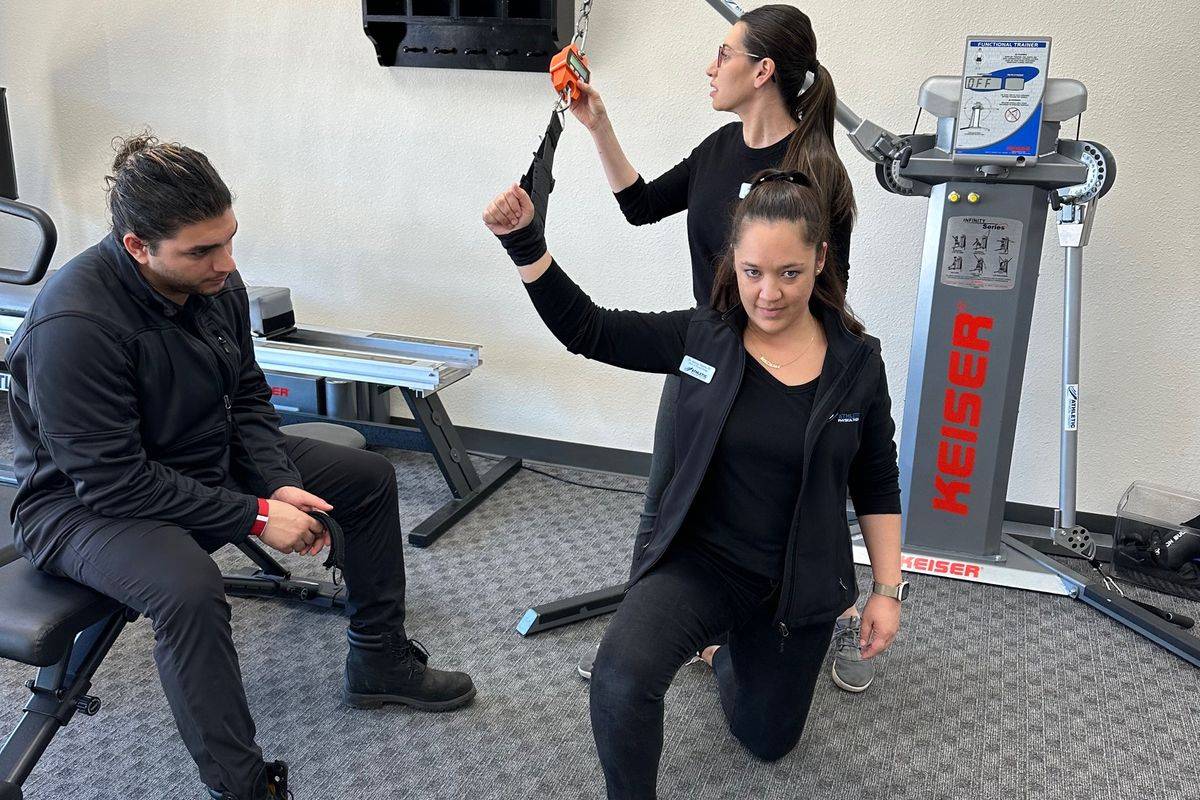
“Pickleball looks easy, but quick stops, lunges and backpedaling are hard on the body. Strength and balance training keep you playing.”
How we help with ARC
Stage I, Calm it down
treat the painful area, adjust how much you play, and check your grip and paddle or racquet.
Stage II, Build it back
forearm, shoulder and leg strength, plus balance and footwork.
Stage III, Get back to your game
lateral movement, lunging and a return to full matches.
What the research says
Pickleball injuries have grown fast. Among players 60 and older, emergency room visits for pickleball injuries rose from about 350 in 2010 to more than 8,000 in 2019, and two out of three came from slips, trips and falls. (Weiss et al., Injury Epidemiology, 2021) Balance and leg strength training are the best protection.
Questions
Should I change my paddle or racquet?
Sometimes it helps. We'll look at your equipment and grip.
Do I have to stop playing?
Usually not. Smart changes let most people keep playing while they recover.
Related
Your first visit
After you book, we text (and email) you a secure preregistration link to finish from home. Bring comfortable clothes you can move in and plan on about an hour. We measure where you're starting, explain what's going on, and start treatment the same day.
Insurance and new patient details